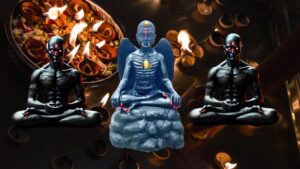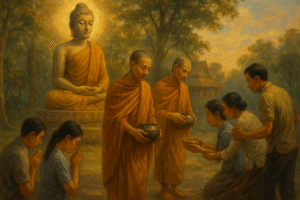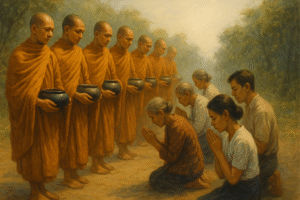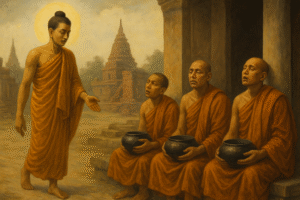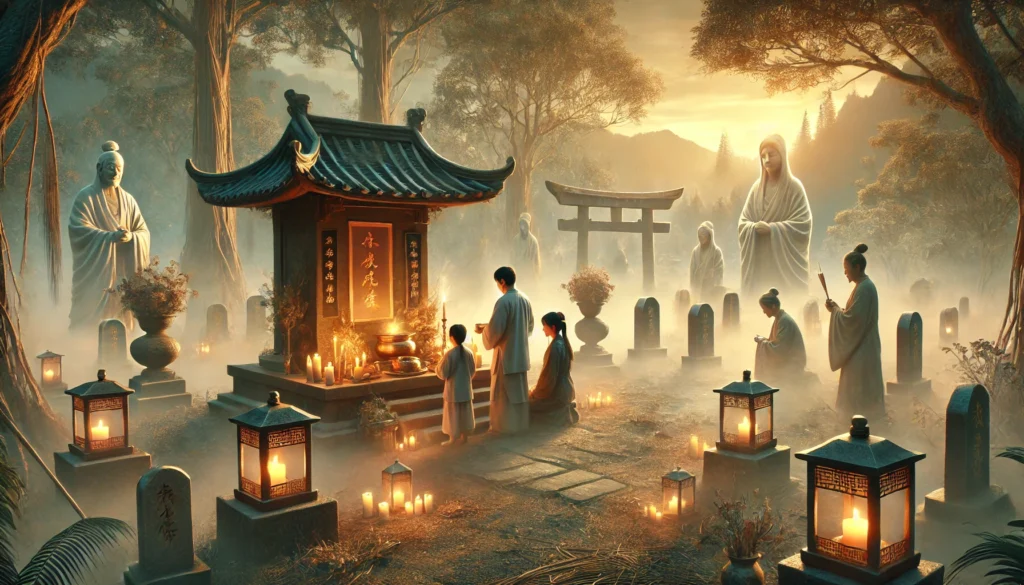
Ancestor prayers are not just rituals performed out of obligation; They are an integral part of many Eastern traditions, both culturally and emotionally., especially in Taoist practices and Chinese ancestral veneration. When people gather to honor their ancestors, it is more than a customary visit to the graves. It is a silent conversation between the living and the dead, a reconciliation of emotions, a way to heal wounds that perhaps were never spoken of during life. Some visit the graves of their ancestors because they genuinely cherish them and wish to express gratitude, while others may do it out of duty, a responsibility passed down through generations. There are even those who do so out of fear—fear of ancestral wrath, karmic repercussions, or the unease that something left unresolved might come back to haunt them in unseen ways.
Regardless of the reason, the simple act of burning incense, offering food, or uttering a silent prayer creates a bridge between past and present, seen and unseen. In Buddhist thought, life and death are not separate realms but a continuous flow of energy. Ancestors do not simply vanish; their presence lingers in the thoughts, habits, and karmic imprints carried by their descendants. When we engage in ancestral rites, we are not merely seeking blessings or paying respects—we are also, in a way, addressing the hidden parts of ourselves. Our fears, regrets, and even the unconscious patterns that shape our decisions are often echoes of those who came before.
Ancestor prayers can be understood as a means of harmonizing these inherited energies. By consciously engaging with the past, people feel as if they are rebalancing something within themselves. It is not just about what the dead receive from the living—it is also about what the living receive from this interaction. A deep sense of peace often follows, as if an internal dialogue has been resolved. Sometimes, these prayers serve as a form of closure. Sometimes, they are an attempt to seek forgiveness or give voice to unspoken love. In truth, it is not only the deceased who need prayers; the living, too, need these moments to acknowledge what has been carried within them all this while.
Master Patana once said that if we truly and completely love someone in life—without holding back, without leaving unresolved emotions—there would be no tears upon their passing. The pain of loss often arises from unfinished emotions, from things left unsaid, from regrets that gnaw at the soul. This is why ancestors rituals serve such an important role; they allow people to process their grief, to settle what was left incomplete, to offer their words and their thoughts to those who can no longer hear them in the physical sense, yet might still feel them in the unseen.
It is also true that prayers and visits do not only serve the living. The dead, too, benefit from them. In many traditional beliefs, spirits that are remembered and honored find a smoother journey in the afterlife, as if the love of their descendants provides them a sense of completion and guidance. In contrast, spirits who are forgotten or neglected may linger in the unseen realms, burdened by unresolved emotions, just as the living are burdened by their own unresolved pasts. This is why balance is key—not just for those who have passed, but for those who remain.
If one truly wishes to honor their ancestors, the best way is not merely through ritual, but through the way they live. Treat those around you with sincerity, with fullness, with a heart that does not leave things halfway. Love completely. Speak honestly. Do not wait until someone is gone to express what could have been said when they were alive. That way, there will be no need for reconciliation later—because nothing will have been left unsaid. The greatest act of ancestor veneration is not in the burning of joss paper or the setting of a feast, but in carrying forward the wisdom, love, and lessons they have left behind in a way that elevates one’s own life. That, in itself, is the highest form of honoring one’s lineage.